Welcome to Project Zacchaeus!
What we do?
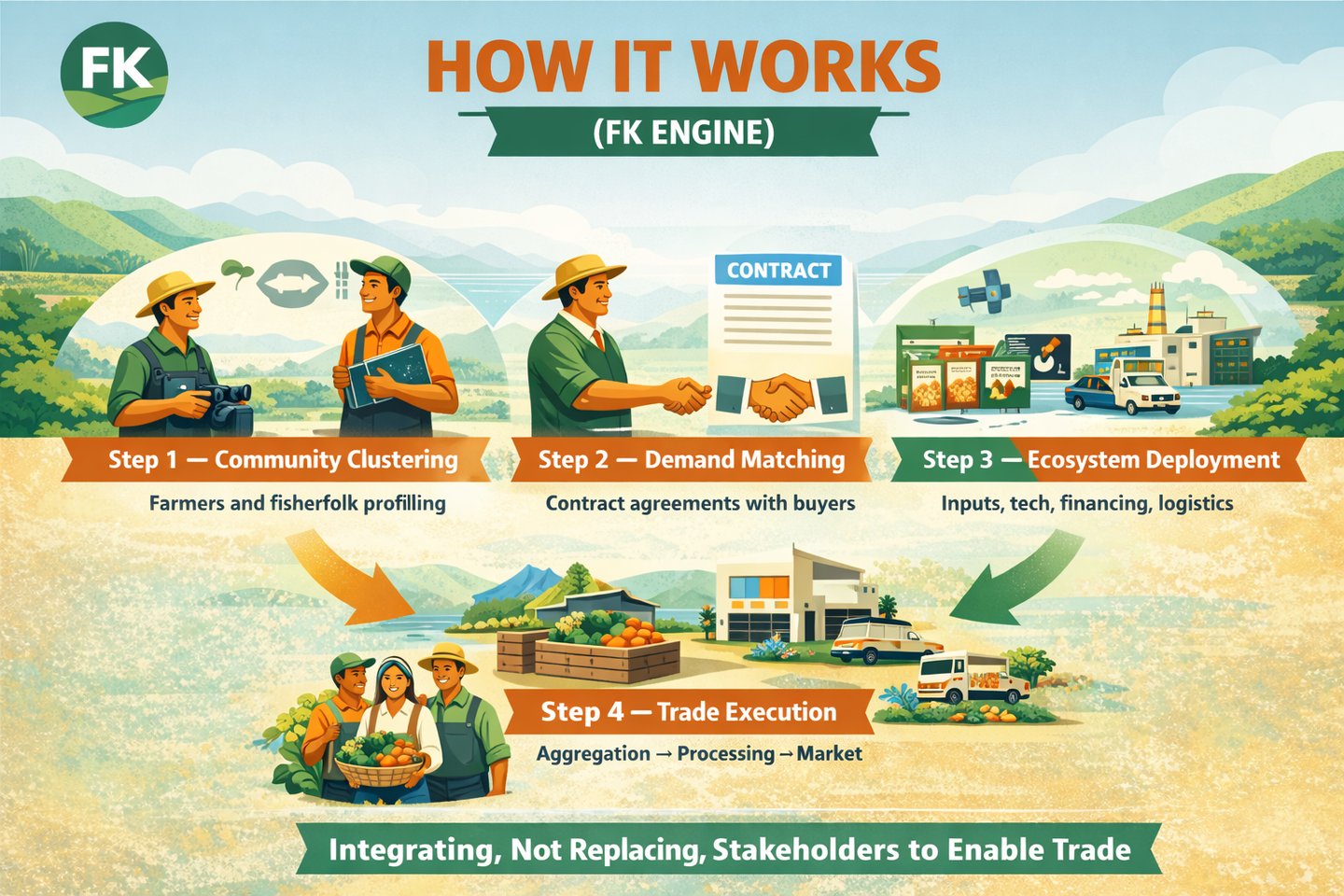
FK (Farm & Fishery Konekt) transforms fragmented agricultural and fishery production into structured, trade-ready systems across Southeast Asia.
We work with farmers, fisherfolks, cooperatives, governments, and partnership with private sector.
To enable contract farming and aquaculture production, cross-border trade, integrated supply chains.
From land to sea, we build systems that connect communities to markets.
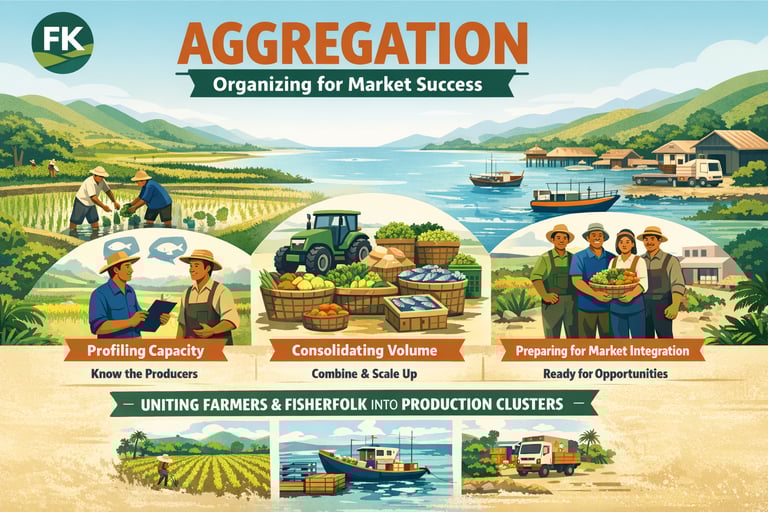
Aggregation
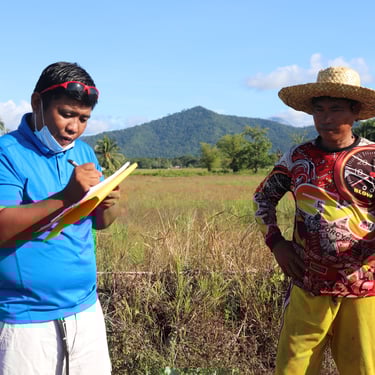
We organize farmers and fisherfolk into scalable production clusters by:
• Profiling capacity
• Consolidating volume
• Preparing communities for market integration
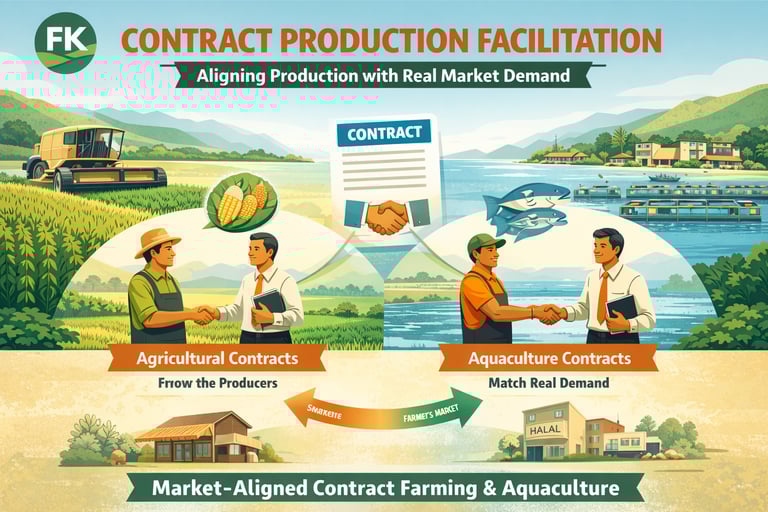
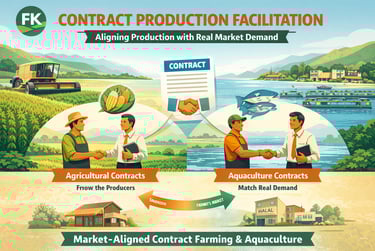
Contract Production Facilitation
We structure:
• Contract farming
• Contract aquaculture
By aligning production with real market demand across the region.
FK (Farm & Fishery Konekt)
A Regional Agri-Fishery Trade Platform
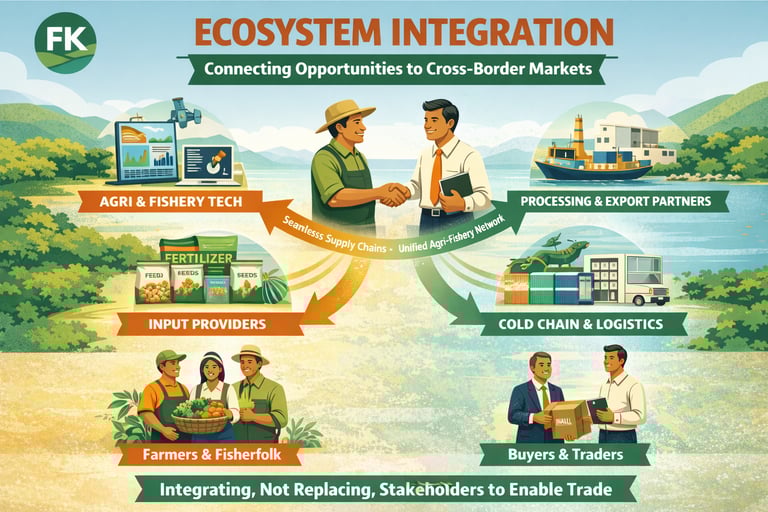
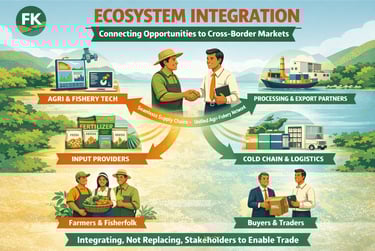
Ecosystem Integration
Collaborating with the United Nations Development Program to implement sustainable solutions that benefit both the environment and local communities in Puerto Princesa.

OUR VISION
To become the leading agri-fishery trade platform in Southeast Asia, connecting communities to structured and scalable markets.
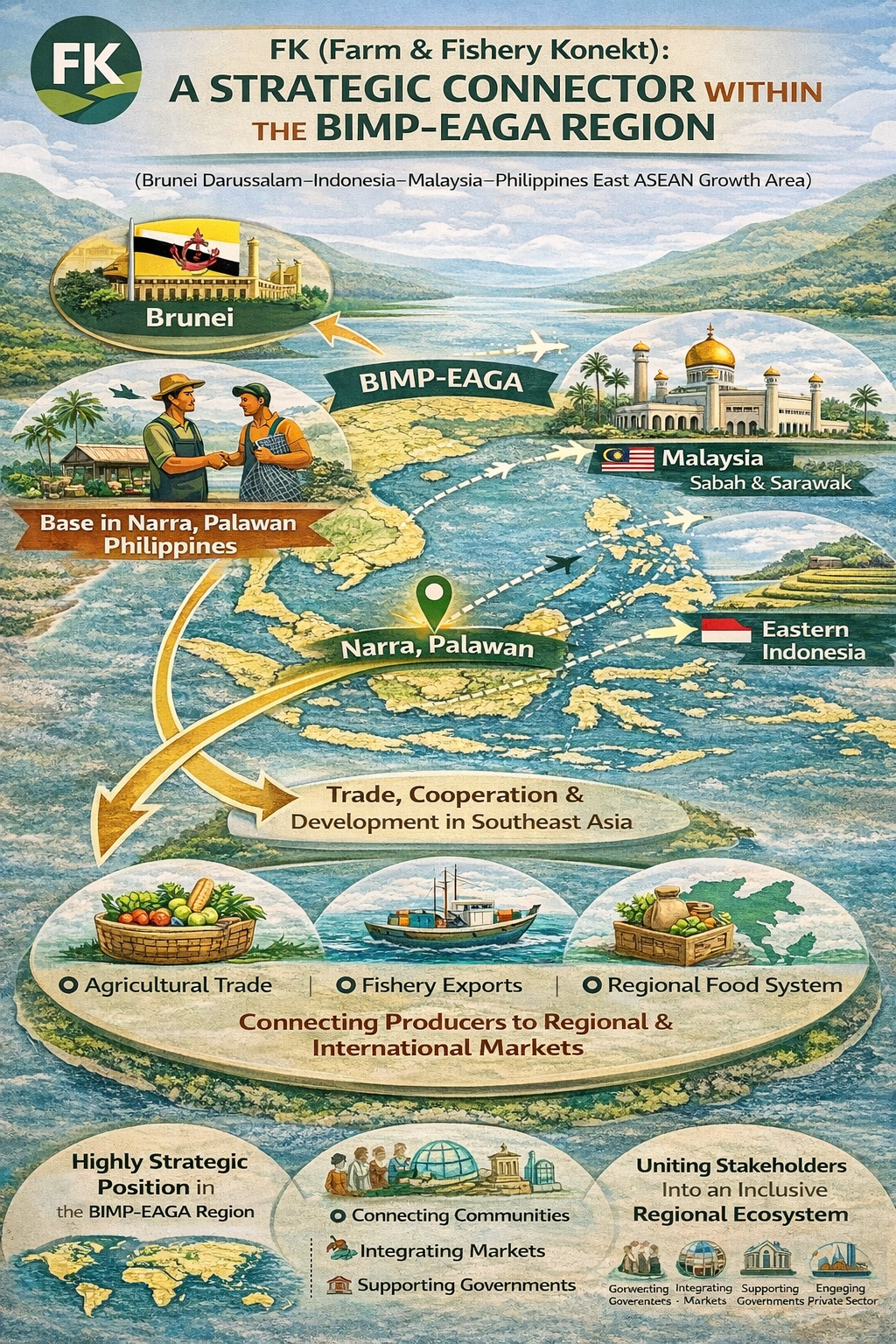
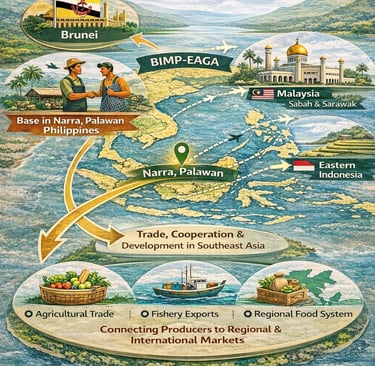
FK (Farm & Fishery Konekt) occupies a highly strategic position by operating within the BIMP-EAGA region (Brunei Darussalam–Indonesia–Malaysia–Philippines East ASEAN Growth Area)—a key subregional corridor designed to accelerate economic cooperation, trade, and development across Southeast Asia.
Anchored in Narra, Palawan, Philippines, FK is strategically located at the gateway between land-based agriculture and marine-based fisheries, enabling it to serve as a natural bridge connecting production areas to regional and international markets. From this base, FK is actively expanding its presence across Brunei, Sabah and Sarawak in Malaysia, and Eastern Indonesia, positioning itself within some of the most resource-rich and trade-relevant zones in the region.
This geographic and operational positioning allows FK to play a critical role in enabling cross-border agricultural trade, fishery exports, and integrated regional food systems. By linking fragmented producers into structured supply chains and aligning them with real market demand, FK facilitates the movement of goods, services, and opportunities across borders.
More than just a platform, FK functions as a regional connector—integrating communities, governments, and private sector stakeholders into a unified ecosystem. Through this, it helps unlock the economic potential of underserved agricultural and fishery communities while contributing to a more resilient, efficient, and inclusive food system within the BIMP-EAGA region.
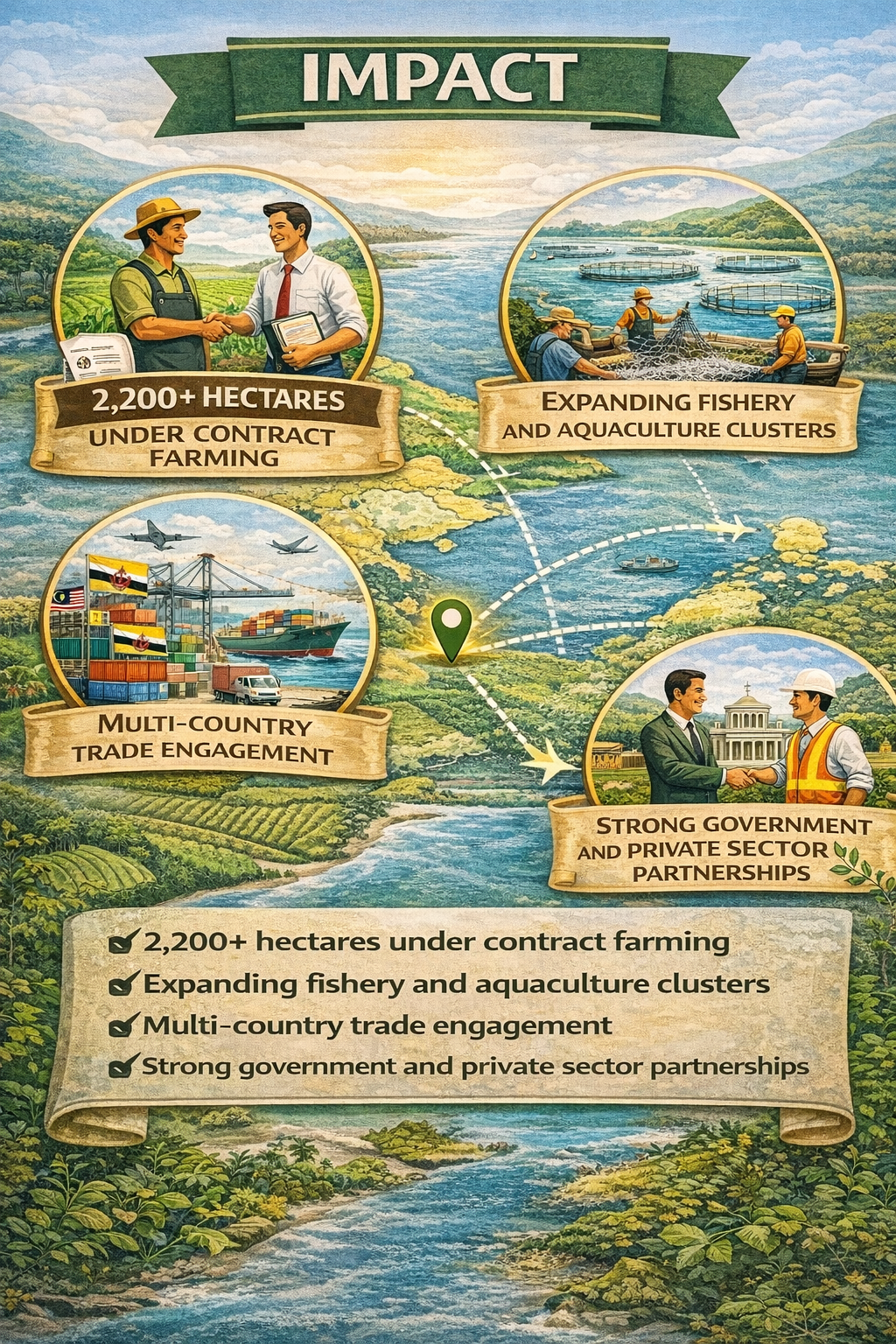
Farm & Fishery Konekt (FK) continues to strengthen its role in regional agriculture and fisheries, reporting key gains across production, trade, and partnerships within the BIMP-EAGA corridor.
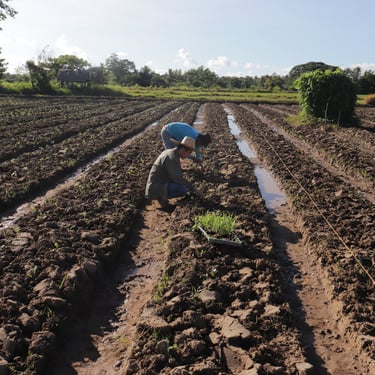
The platform has successfully brought over 2,200 hectares under contract farming, helping farmers shift to more structured and market-driven production. At the same time, FK is expanding fishery and aquaculture clusters, organizing coastal communities for improved productivity and market access.
FK has also advanced multi-country trade engagement, linking producers across Brunei, Malaysia, Indonesia, and the Philippines. These efforts are supported by strong collaborations with government agencies and private sector partners, enabling more integrated and scalable operations.
The developments highlight FK’s ongoing push to build a more connected, efficient, and inclusive agri-fishery system across the region.
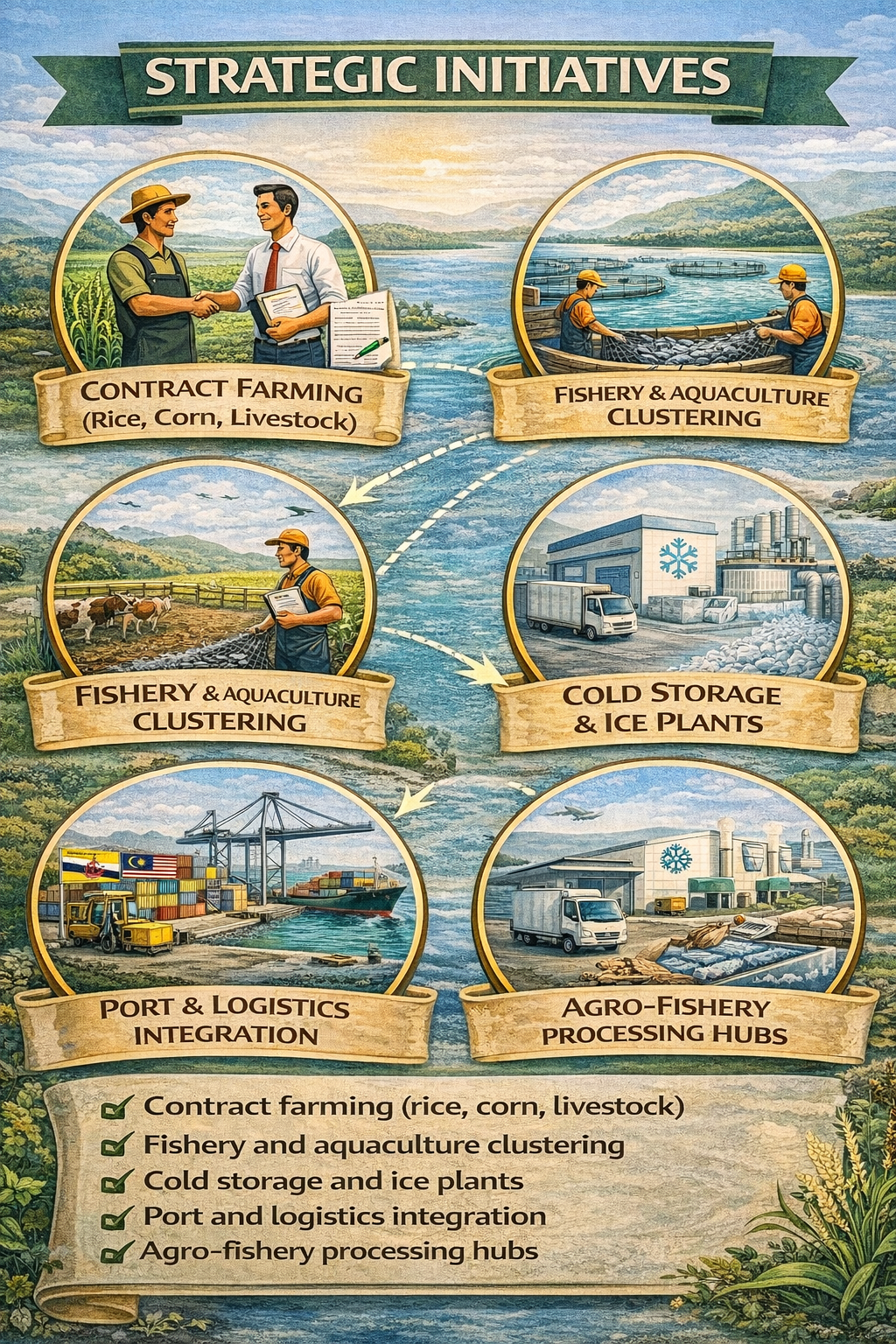
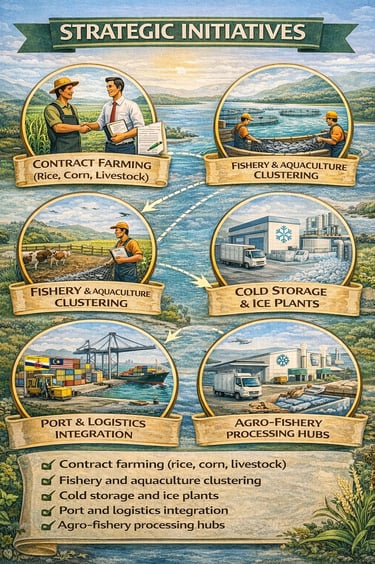
As Southeast Asia continues to face growing demands for food security, supply chain efficiency, and sustainable livelihoods, Farm & Fishery Konekt (FK) is strengthening its role as a regional enabler of agri-fishery transformation through a set of targeted strategic initiatives.
Operating within the BIMP-EAGA corridor, FK has developed a comprehensive approach that addresses both production and market integration—ensuring that farmers and fisherfolk are not only productive, but also connected to real and scalable demand.
Strengthening Production Through Contract Farming
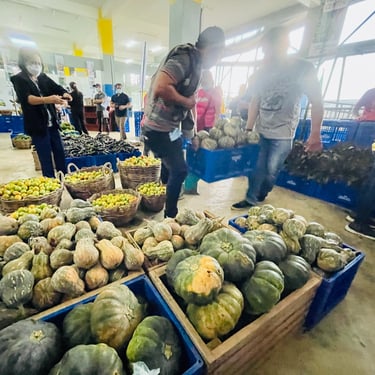
At the core of FK’s strategy is the expansion of contract farming systems across key commodities such as rice, corn, and livestock. By aligning production with pre-identified buyers, FK reduces market uncertainty and stabilizes income for smallholder farmers.
This model enables farmers to move away from speculative production and toward demand-driven agriculture—ensuring consistency in supply while improving planning, financing, and overall productivity.
Expanding Fishery and Aquaculture Clusters
Complementing its land-based initiatives, FK is actively organizing fishery and aquaculture clusters across coastal and marine communities. These clusters consolidate production, improve resource management, and strengthen the capacity of fisherfolk to participate in larger market systems.
By structuring these communities into organized production units, FK enhances both volume and quality, making fishery outputs more competitive in both domestic and regional markets.
Investing in Cold Chain Infrastructure
Recognizing that post-harvest losses remain a major challenge, FK is advancing investments in cold storage facilities and ice plants. These infrastructures are critical in preserving product quality, extending shelf life, and enabling efficient transport across distances.
Cold chain development ensures that both agricultural and fishery products maintain value from source to market—particularly important for export-ready goods within the BIMP-EAGA region.
Integrating Ports and Logistics Systems
To support cross-border trade, FK is working on port and logistics integration, connecting production areas to key trade routes and distribution channels. This includes streamlining movement from farms and coastal landing sites to processing centers and export hubs.
By improving logistics efficiency, FK reduces transaction costs, minimizes delays, and enhances the competitiveness of products in regional markets.
Developing Agro-Fishery Processing Hubs
To further increase value creation, FK is establishing agro-fishery processing hubs that allow raw commodities to be transformed into higher-value products. These hubs are designed to support semi-processing and full processing activities, enabling communities to capture greater economic returns.
Processing also plays a key role in meeting market standards, including those required for export industries such as halal-certified goods and international food supply chains.
A System Built for Scale and Inclusion
Together, these strategic initiatives form an integrated ecosystem—one that connects production, infrastructure, logistics, and markets into a unified system. Rather than addressing agricultural challenges in isolation, FK’s model ensures that every component of the value chain is aligned.
By combining contract production, clustering, infrastructure investment, and trade integration, FK is positioning itself as a key driver of inclusive growth across the agri-fishery sector.
As these initiatives continue to expand across Palawan, Mindanao, and the broader BIMP-EAGA region, FK reinforces its mission: to build structured, scalable, and sustainable food systems—where communities are not left behind, but instead become active participants in regional economic growth.
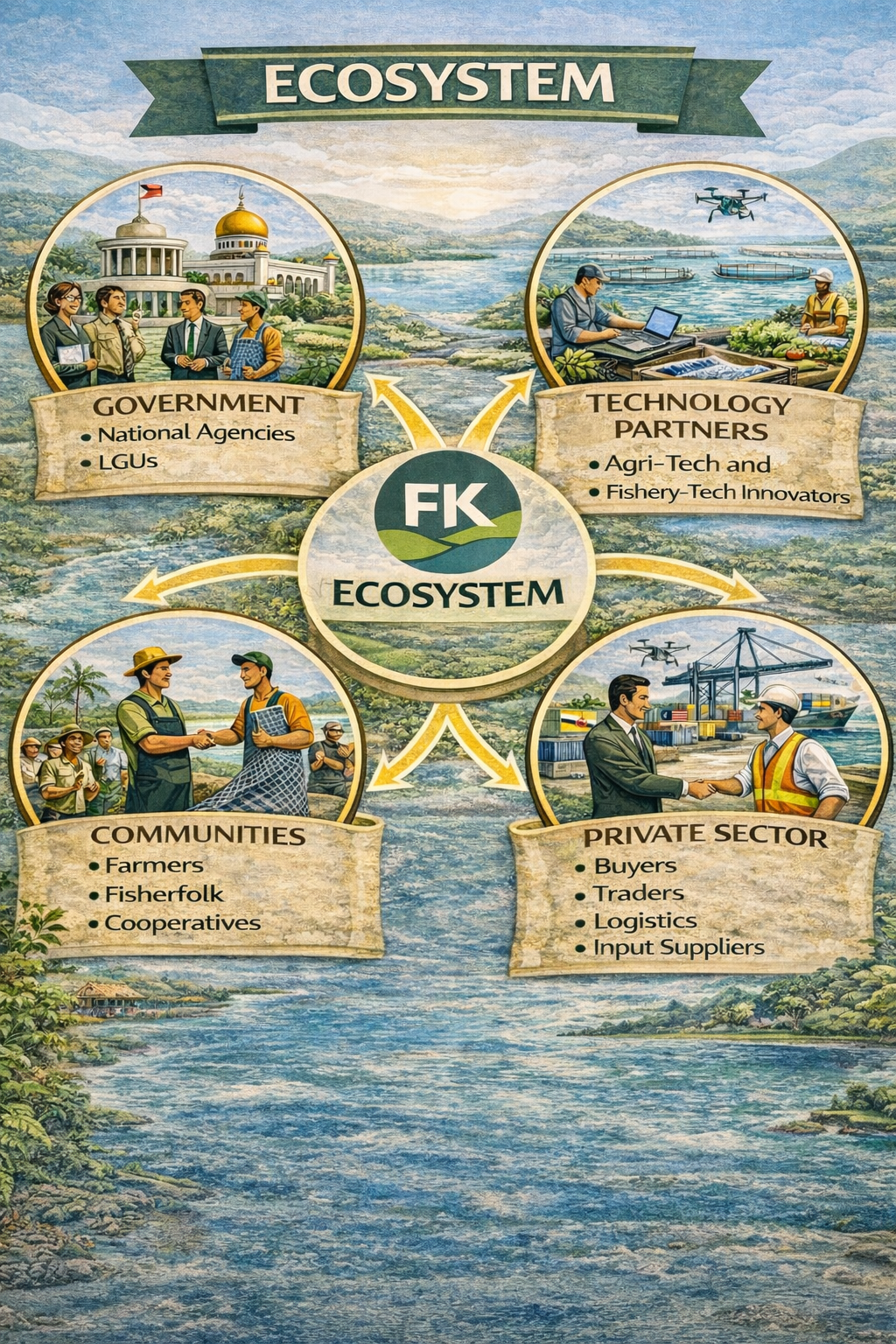
Farm Konekt operates within a dynamic and collaborative ecosystem that brings together key stakeholders across the agri-fishery value chain. At its core are government partners, including national agencies and local government units, providing policy support and enabling environments for growth.
Working closely with them are the communities—farmers, fisherfolk, and cooperatives—who form the foundation of production and local enterprise. The private sector, composed of buyers, traders, logistics providers, and input suppliers, ensures that products move efficiently from source to market.
Complementing these are technology partners, offering agri-tech and fishery-tech innovations that enhance productivity, efficiency, and sustainability.
Together, this ecosystem enables a fully integrated, market-driven system that empowers communities and strengthens regional food systems.
Gallery