Welcome to Project Zacchaeus!
Healing from the ground up: Nursing students and Eco Kolek champion the circular economy in Palawan
PUERTO PRINCESA CITY, Palawan — In community health, the prescription for a better life is increasingly extending beyond the walls of a local clinic. For the residents of Barangay Sta. Monica, the path to a healthier community begins right in their own backyards—and waste bins. On April 23, the Sta. Monica Barangay Covered Court transformed into a vibrant classroom for grassroots environmentalism. The initiative, aptly titled "Lingap at Lunas: A Community Diagnosis-Based Intervention Plan," saw the convergence of public health and ecological advocacy as Palawan State University (PSU) nursing students partnered with Project Zacchaeus’ (PZC) Eco Kolek program and local barangay officials.
MItchell Gimena
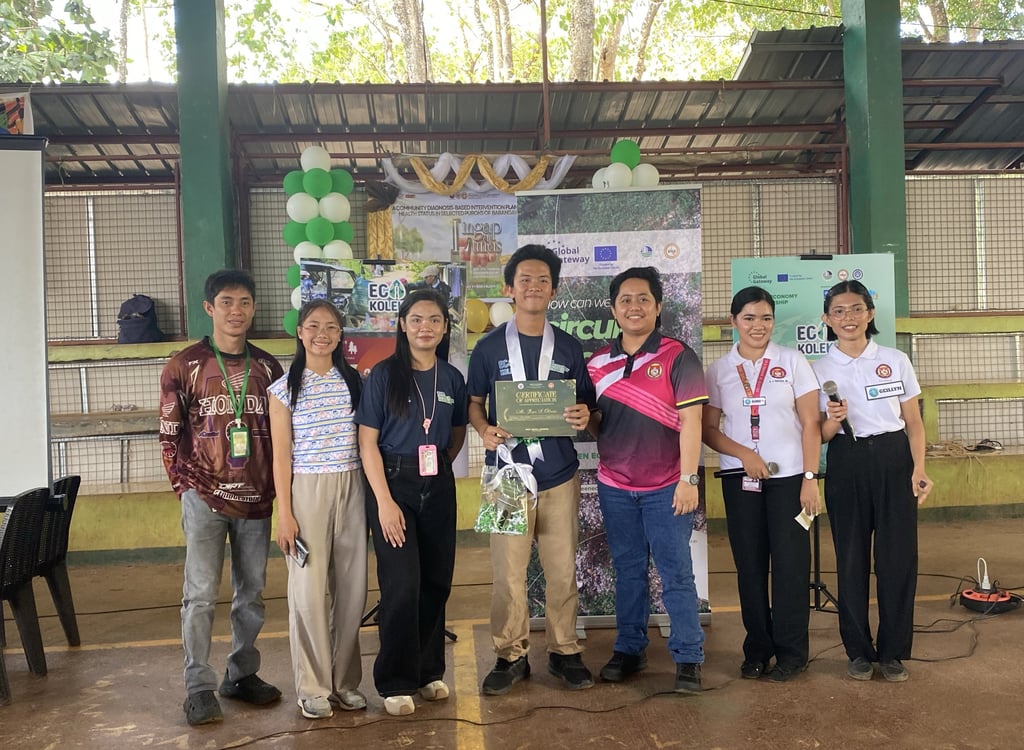
PUERTO PRINCESA CITY, Palawan — In community health, the prescription for a better life is increasingly extending beyond the walls of a local clinic. For the residents of Barangay Sta. Monica, the path to a healthier community begins right in their own backyards—and waste bins.
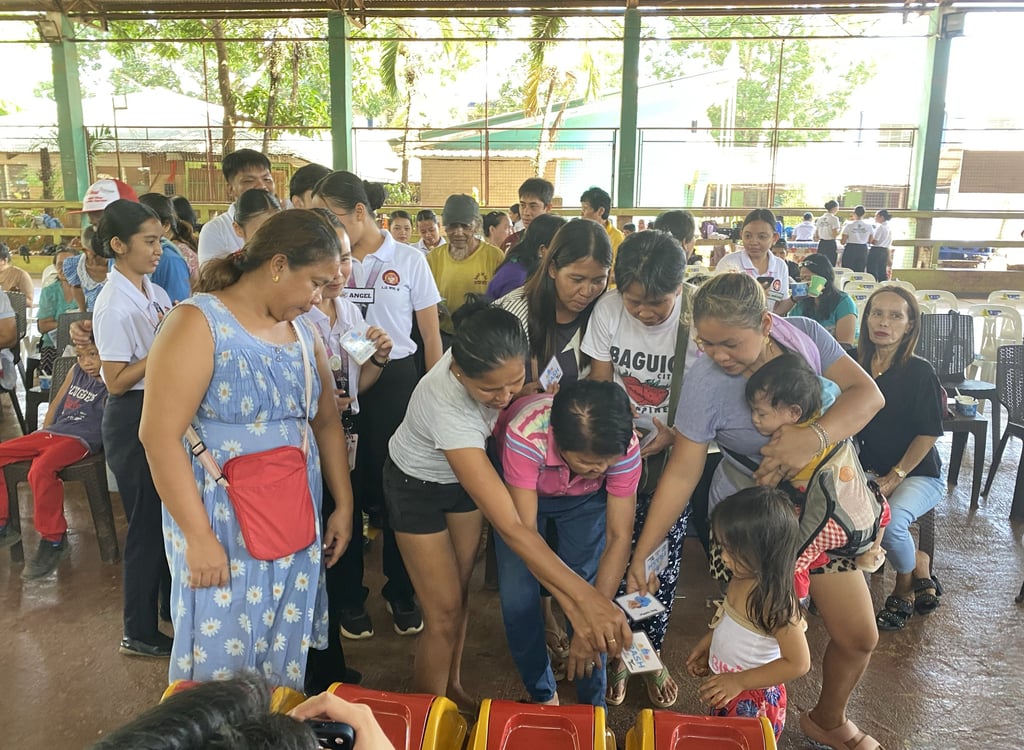
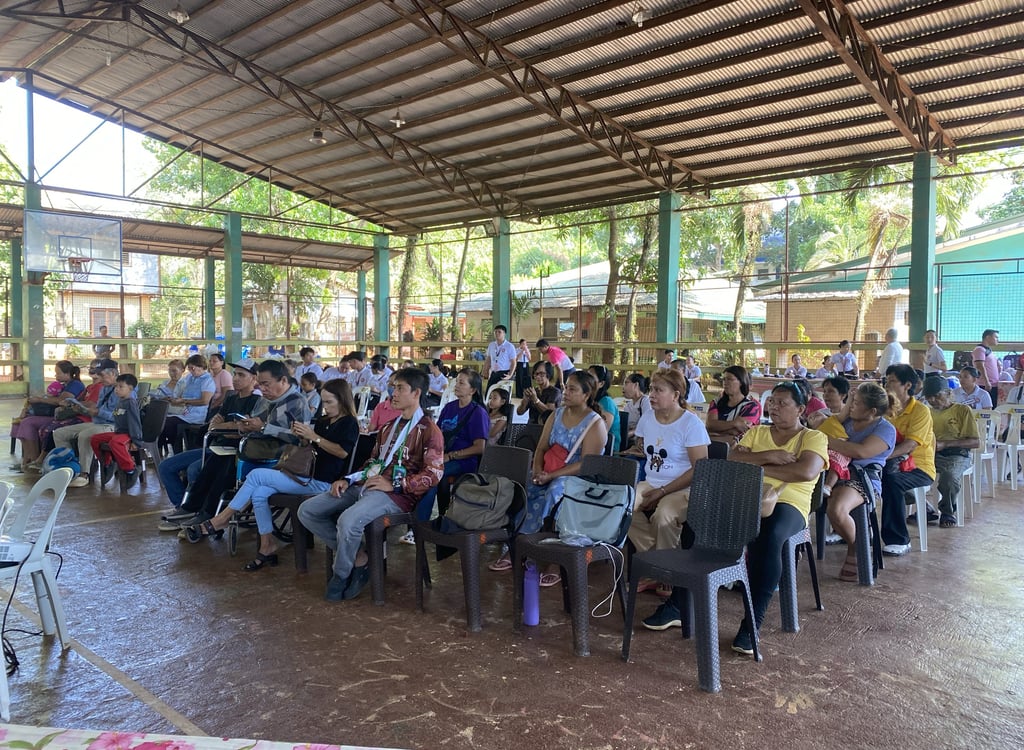
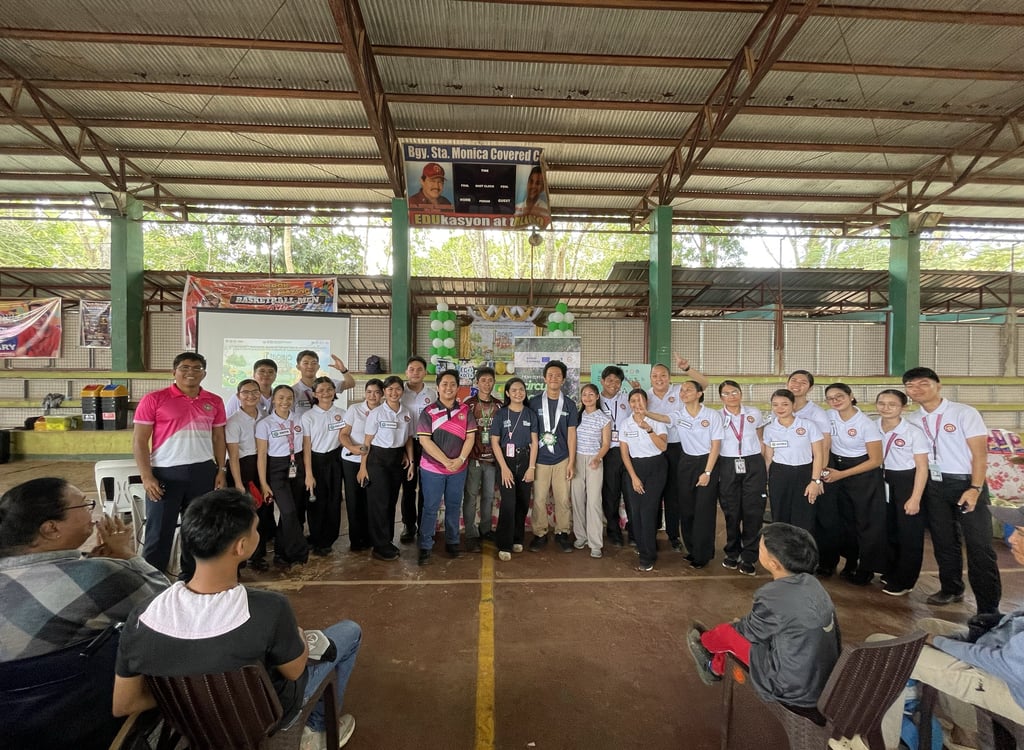
On April 23, the Sta. Monica Barangay Covered Court transformed into a vibrant classroom for grassroots environmentalism. The initiative, aptly titled "Lingap at Lunas: A Community Diagnosis-Based Intervention Plan," saw the convergence of public health and ecological advocacy as Palawan State University (PSU) nursing students partnered with Project Zacchaeus’ (PZC) Eco Kolek program and local barangay officials.
The mission was clear: to diagnose the community's environmental pain points and administer a lasting cure through the principles of the circular economy.
Rewiring the 'throwaway' mindset
At the heart of the intervention was a concerted effort to dismantle the traditional linear economy—the unsustainable "take-make-dispose" mindset.
Through interactive discussions, Eco Kolek advocates and the nursing students guided household members through the "journey of waste," illustrating the severe environmental and health impacts of plastic pollution. The module grounded these global concepts in local realities, anchoring the lessons on Republic Act 9003 (the Ecological Solid Waste Management Act).
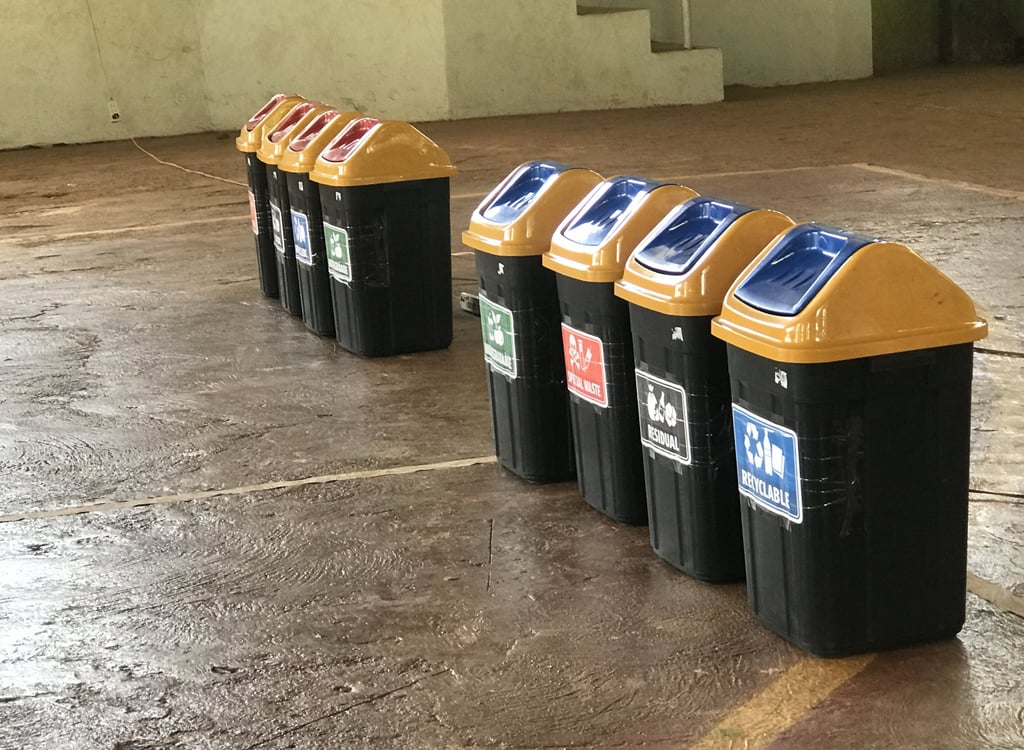
Participants were taught to meticulously classify household waste into biodegradable, recyclable, residual, and special waste categories. Instead of merely listening to lectures, the Sta. Monica residents rolled up their sleeves. They engaged in hands-on segregation exercises, transforming theoretical knowledge into practical, daily habits.
Organizers noted the highly engaged crowd, highlighting the program’s adaptability. When some physical activities proved challenging for the senior citizen attendees, the facilitators swiftly modified the exercises, ensuring that the push for environmental education remained inclusive across all ages.
The 10 R's and the frontline Eco Warriors
Beyond basic segregation, the community was introduced to the "10 R’s" of the circular economy—a comprehensive lifestyle shift aimed at drastic waste reduction and resourceful reuse.
A crucial component of this transition is the integration of the community with local recovery infrastructure. Residents were taught the value of turning over their sorted recyclables to designated Material Recovery Facilities (MRFs) and local "Eco Warriors"—the professionalized waste workers who serve as the backbone of Puerto Princesa's plastic recovery network.
A pledge for tomorrow
The roadshow did not end with the distribution of eco-friendly gifts for active participation; it concluded with a deeply personal valuing session.
Before leaving the covered court, participants were asked to reflect on the morning's lessons and make a formal commitment. Each household representative pledged to adopt and sustain at least one new environmental practice within their homes.
By linking the discipline of nursing care with the rigors of environmental stewardship, the "Lingap at Lunas" initiative proved that the health of a community and the health of its environment are inextricably linked. For Barangay Sta. Monica, the journey to a sustainable, zero-waste future is no longer just a policy goal—it is a shared, community-driven healing process.